Restoring landscapes, protecting watersheds, and rehabilitating irrigation so that land keeps producing for the long term.
This component aims to reduce or reverse the negative impacts of climate change while supporting the livelihoods of rural populations.
It favors integrated, participatory and decentralized approaches to restore degraded resources and strengthen the natural capital essential to food security.
Using participatory planning, at local or watershed level, to identify resilient livelihood opportunities and 'no-regret' investments.
Financing infrastructure and practices that promote resilient development of water and land resources.
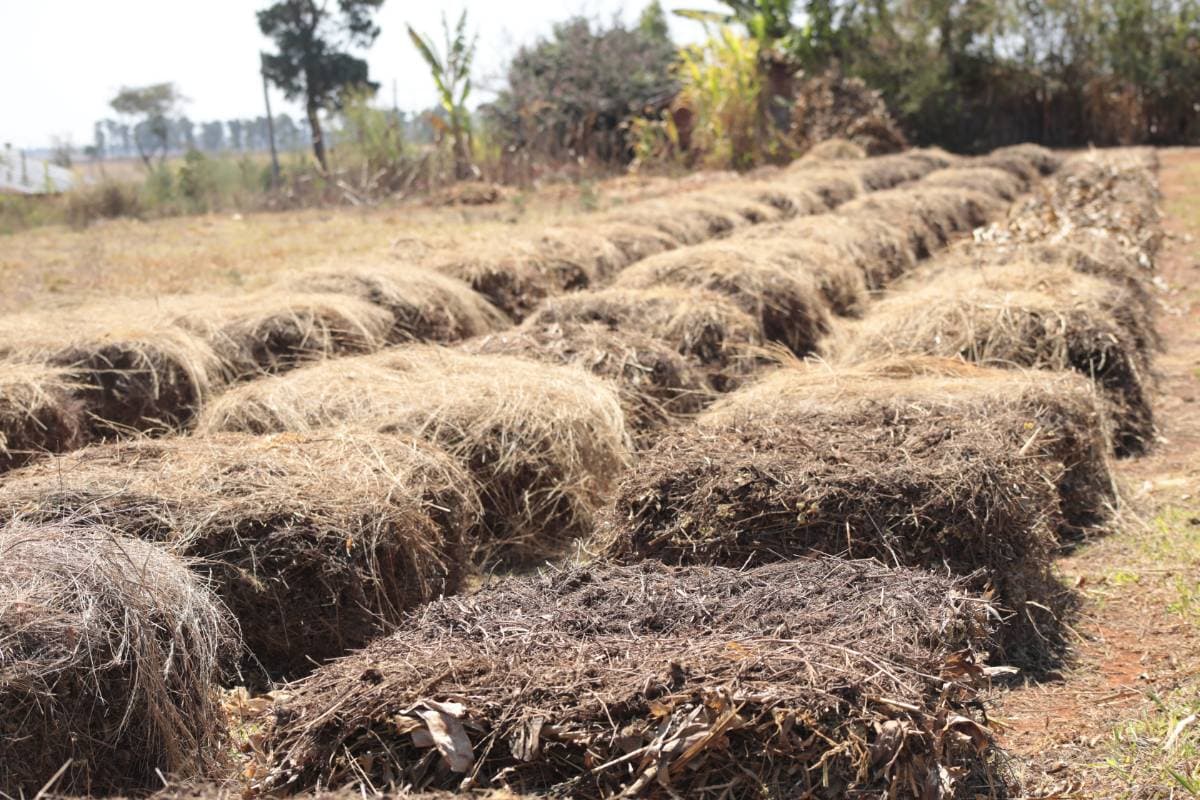
Regenerative agriculture and soil and water conservation measures (reduced tillage, etc.).
Rehabilitation and construction of small irrigated perimeters, water storage systems and livestock watering points.
Reforestation, agroforestry, riverbank protection and bushfire management.
Investments in sustainable energy, such as solar pumps, to reduce fossil energy use in production.
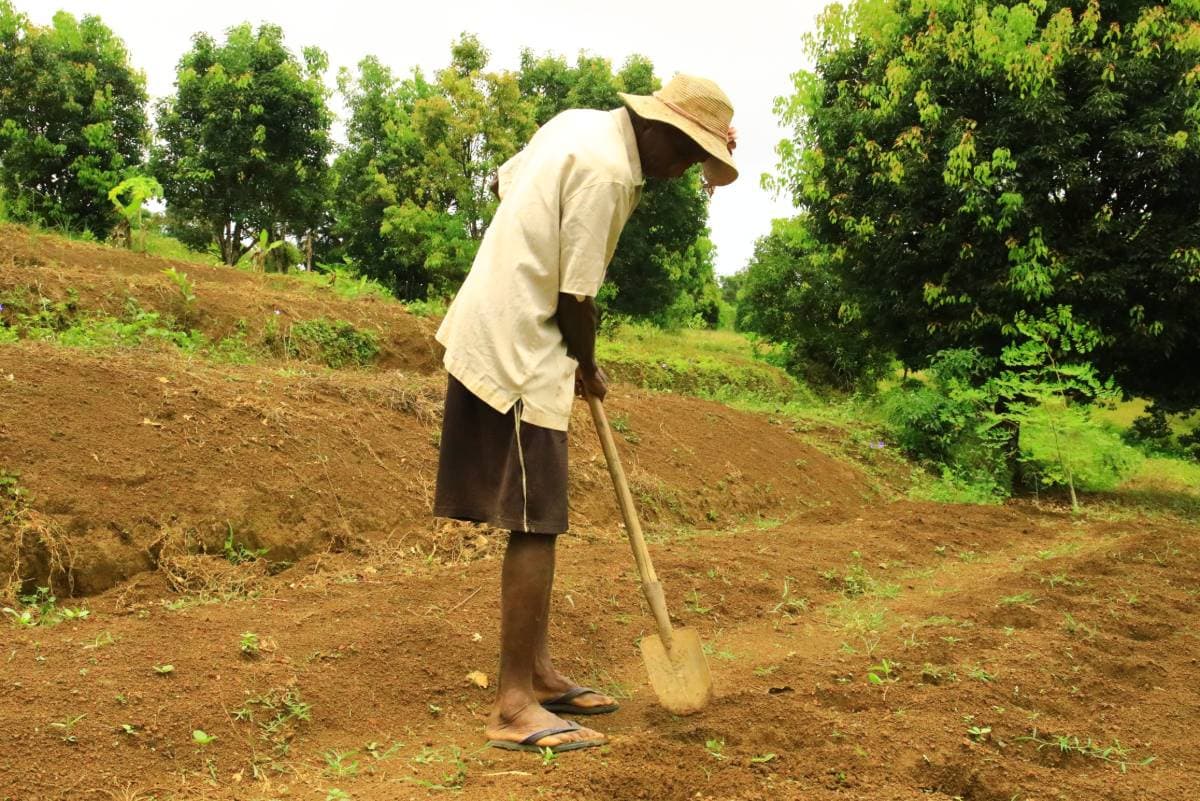
management of water and land resources
By restoring degraded resources and strengthening natural capital, the component consolidates the foundation essential to food security.