Résilience
Les greniers communautaires du Sud
Des stocks de proximité gérés par les communautés pour traverser la période de soudure sans brader les récoltes.
Read the article
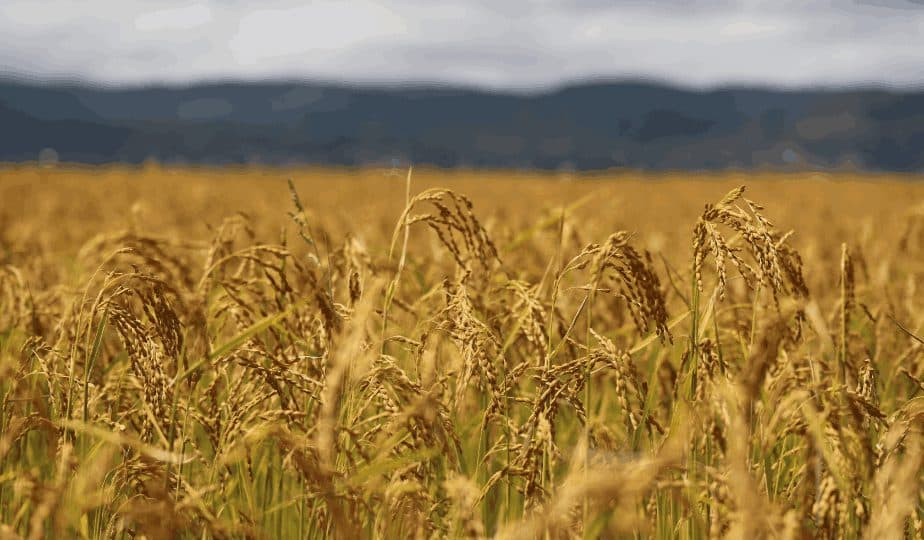
The Food Systems Resilience Program strengthens Madagascar's capacity to withstand climate and economic shocks. A national initiative funded by the World Bank to transform agriculture and feed 600,000 families.
The country endures successive crises: extreme poverty, chronic malnutrition, soil degradation and recurring cyclones that durably weaken food systems.
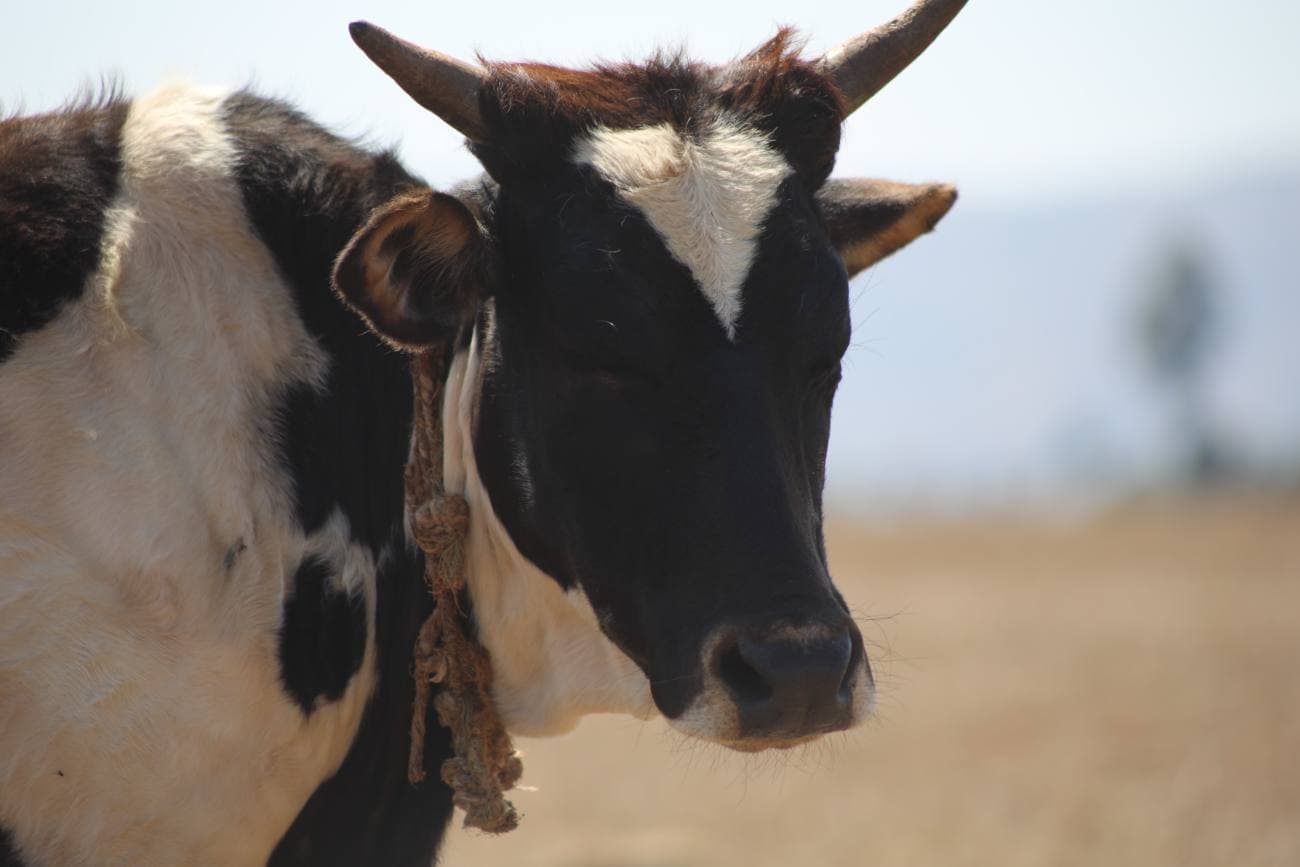
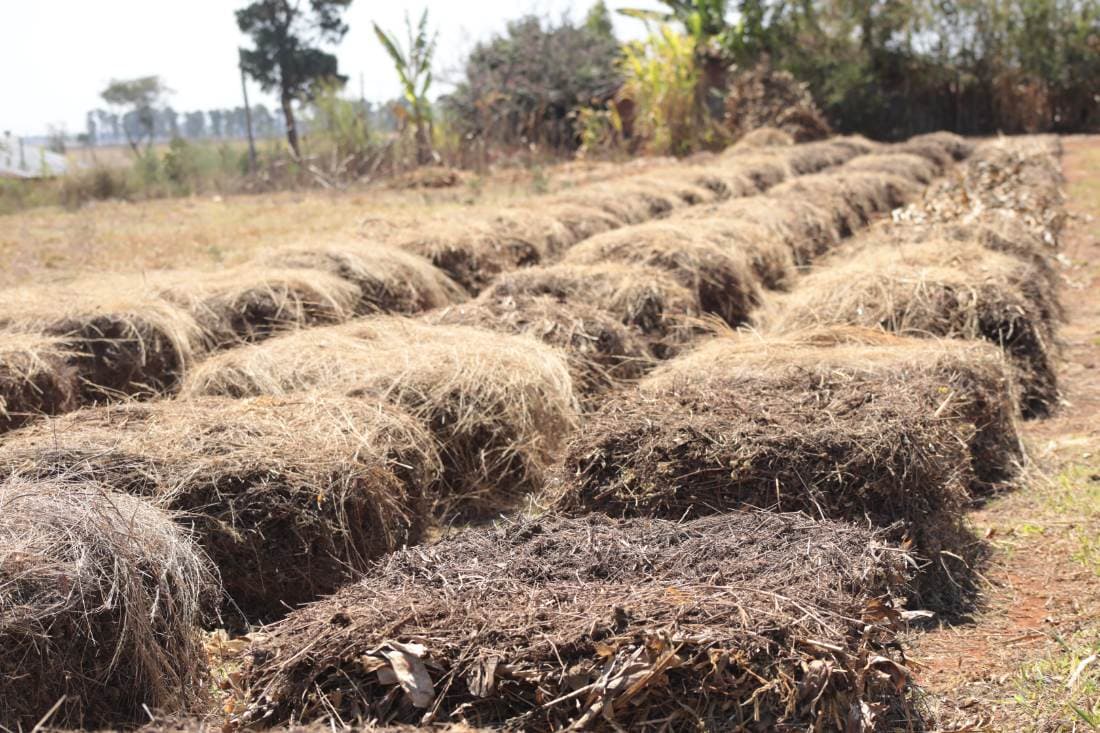
Low adoption of improved technologies, lack of mechanization and insufficient veterinary services.
Slash-and-burn farming and deforestation (90,000 ha lost per year) erode essential ecosystem services.
The increasing frequency of droughts and cyclones (four major tropical storms in early 2022 caused losses equivalent to 4.8% of GDP) heightens the fragility of food systems.
The intensification of natural hazards durably exposes the harvests and incomes of the most fragile rural households.
"Strengthen the resilience of food systems and improve preparedness to address food and nutrition insecurity in Madagascar."Explore the strategy
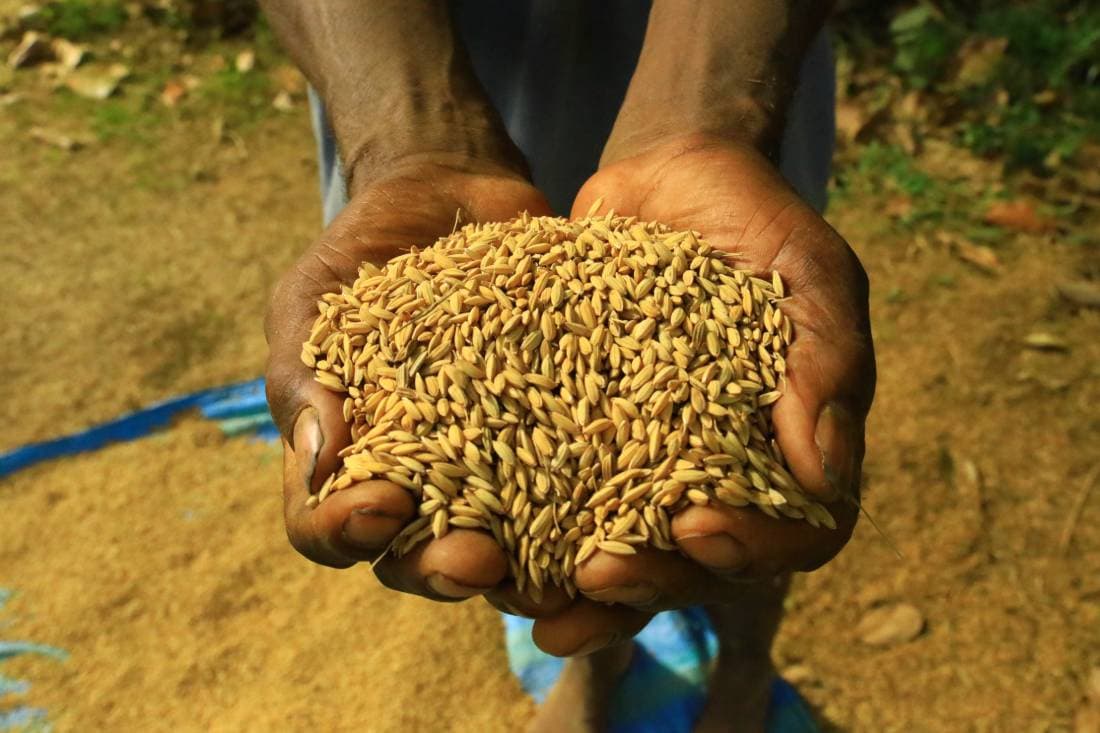
The Food Systems Resilience Program aims to transform agricultural value chains, strengthen local capacities and protect populations against climate and economic shocks.
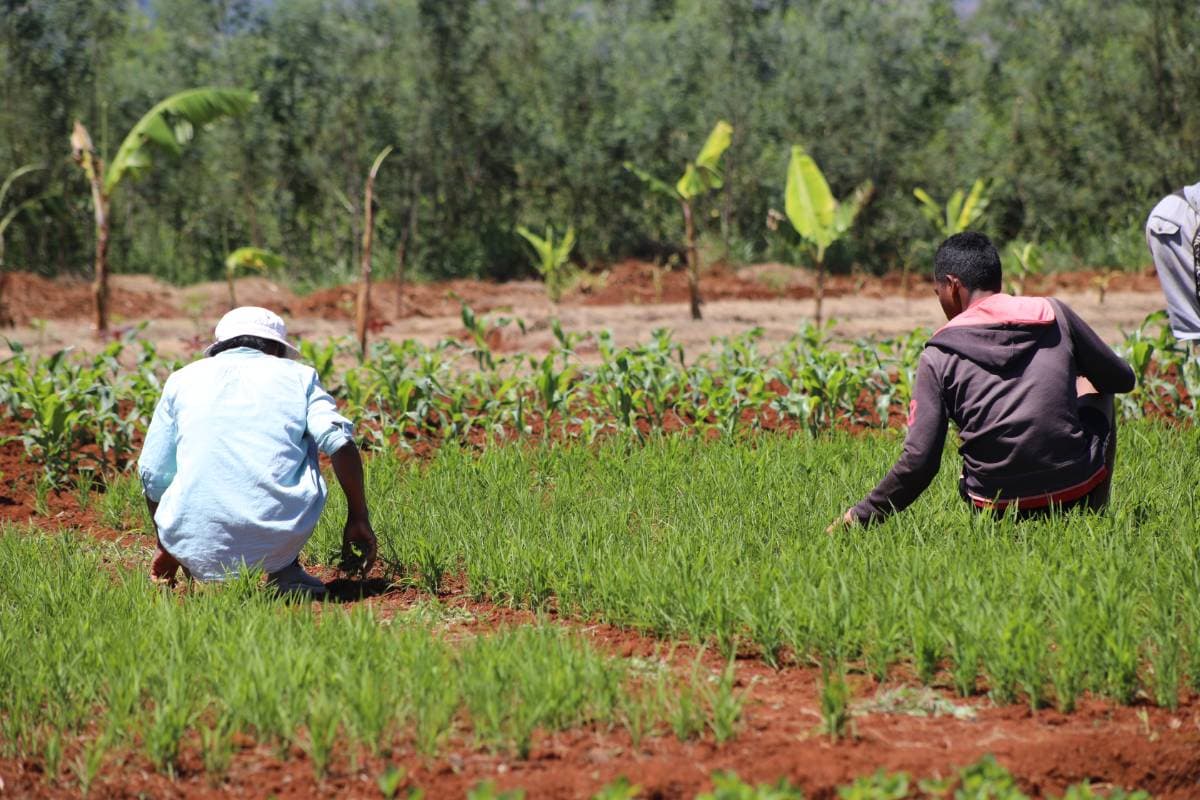
Market integration, productivity, local processing and access to agricultural financing.
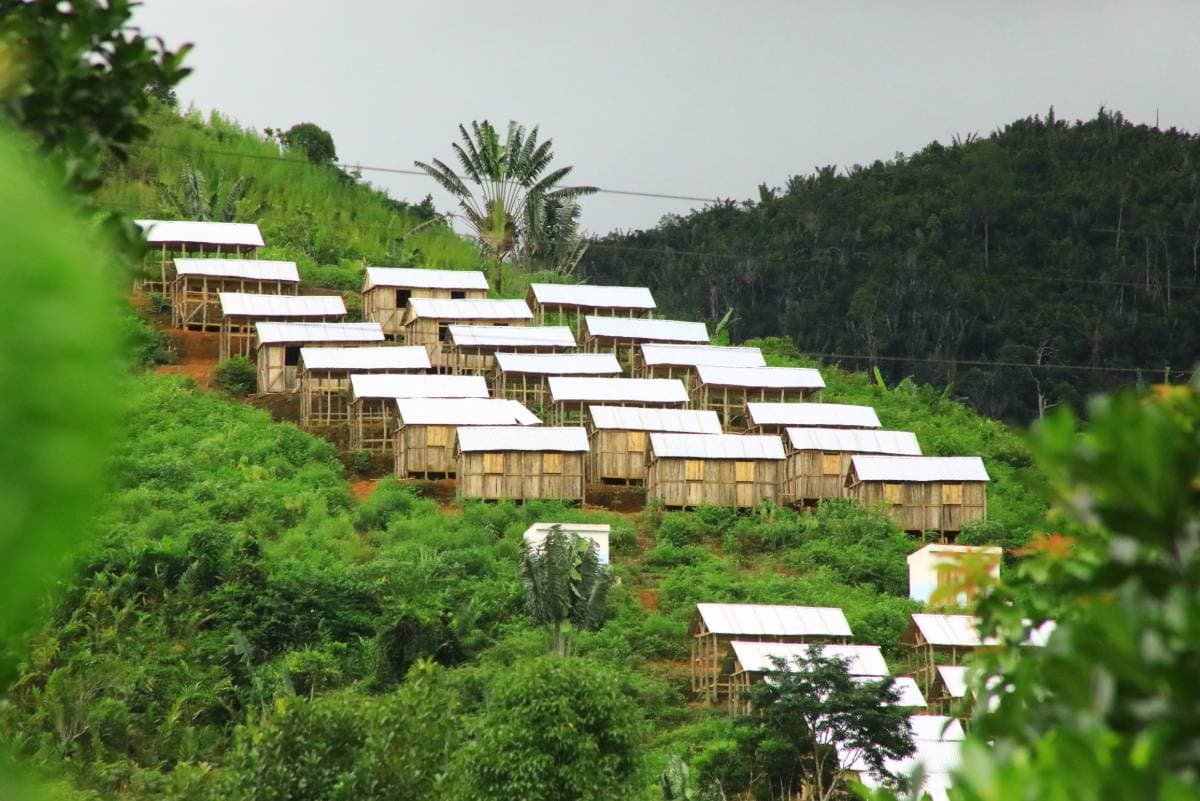
Roads, markets, storage and equipment to connect producers and consumers.
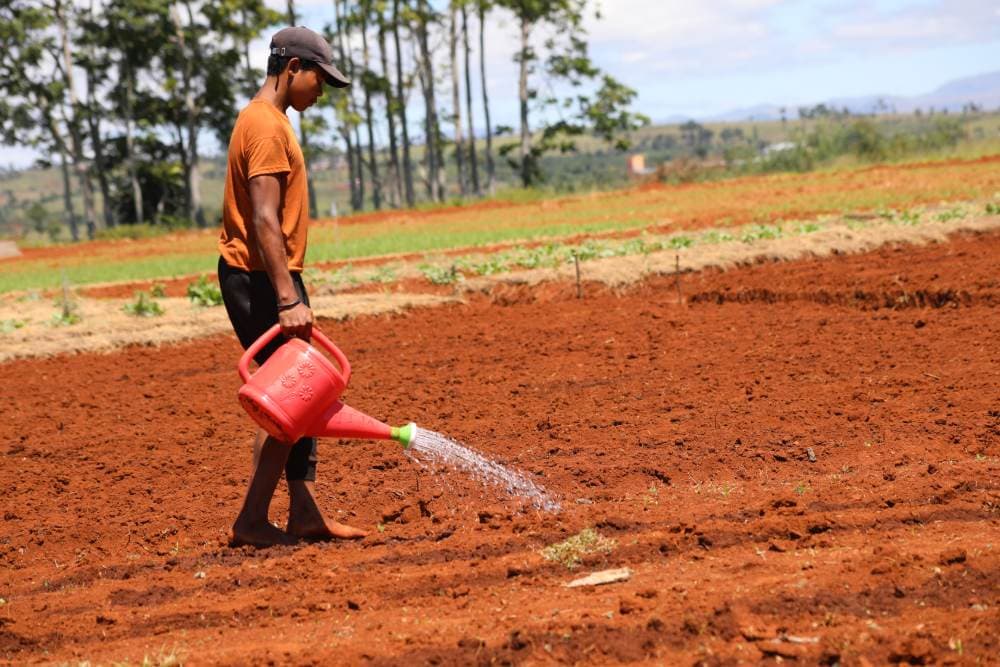
Sustainable practices, water management, soil restoration and natural hazard prevention.
Each component addresses a structural weakness of the food system.
Modernizing agricultural research (FOFIFA, FIFAMANOR), improving seed systems, expanding access to mechanization, and developing weather and price information systems.
Restoring degraded landscapes, sustainably managing watersheds, and rehabilitating irrigation infrastructure for resilient agricultural landscapes.
Rehabilitating 300 km of rural roads, building quality-control laboratories, and strengthening value chains (rice, maize, livestock, etc.) to boost exports and nutrition.
Overall project management, support for digital and climate policy reforms, and advanced training (master's and doctoral degrees) for national officials.
Meetings, workshops and training sessions from the project.
Access the project's co-financing mechanisms.
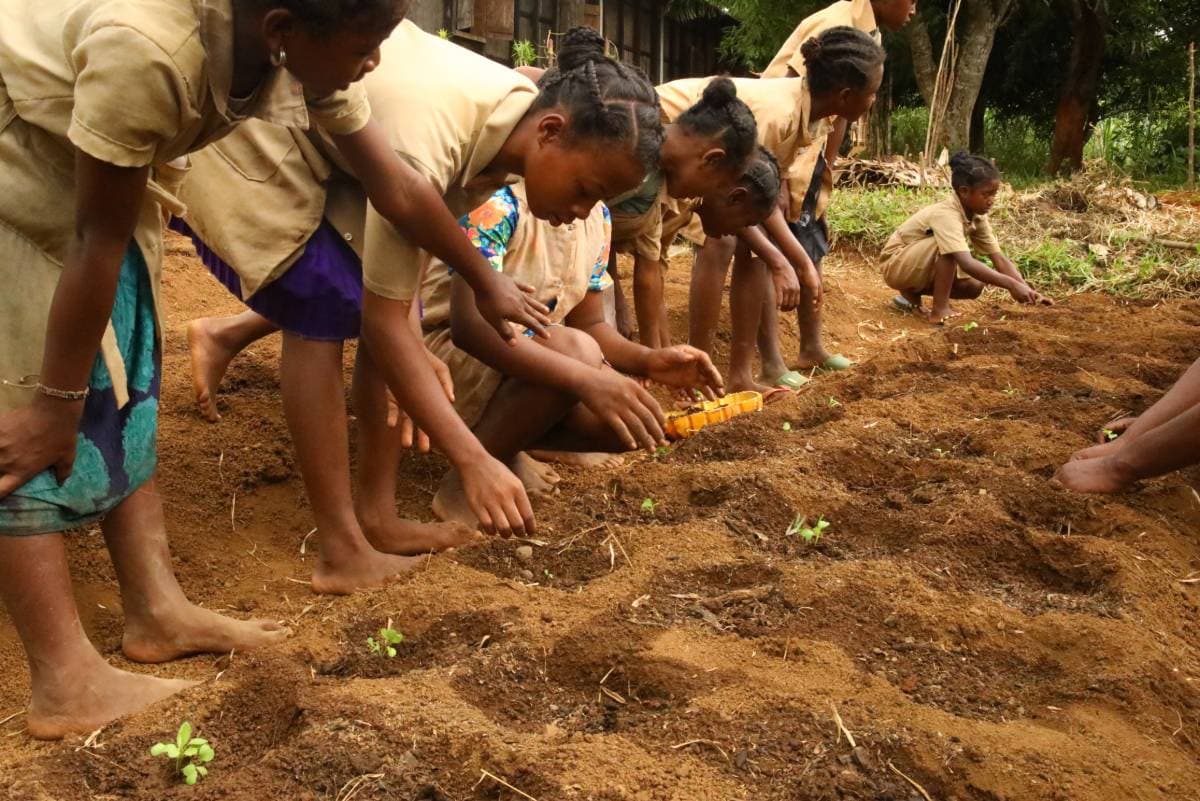
Cost-sharing grant co-financing SME-led projects in agricultural and agri-food value chains. Supports investments in productivity, sustainability, value addition and resilience for partner smallholders.
Learn more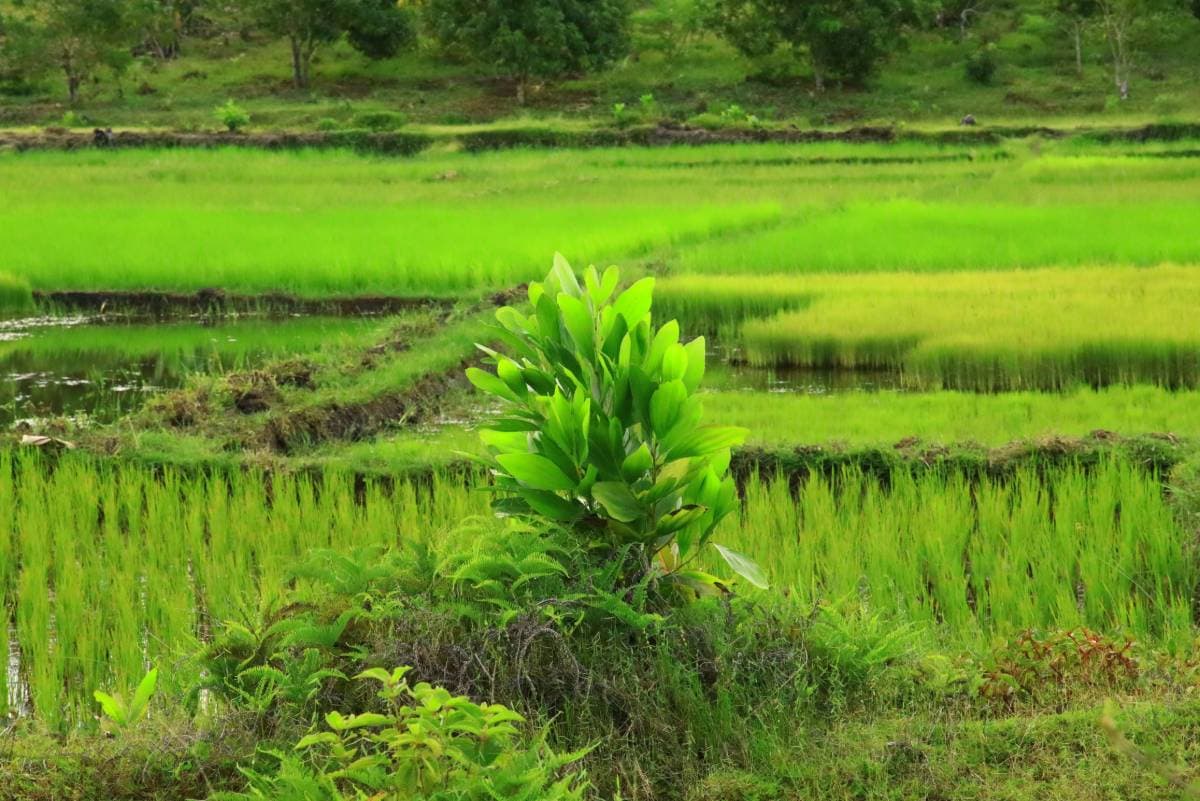
Structured partnership between producer organizations, buyers/off-takers and service providers, built around an identified market, clear commitments and targeted investments to strengthen a value chain.
Learn moreFollow the FSRP's progress and initiatives.
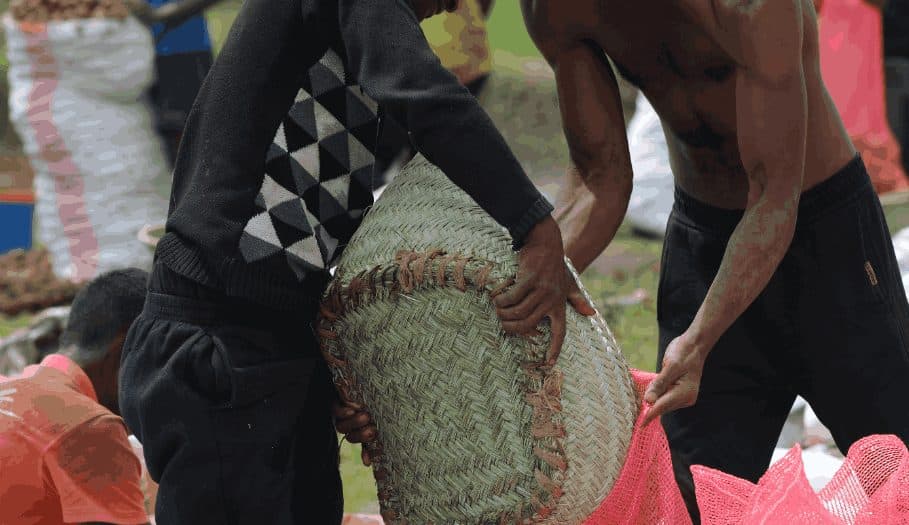
Des stocks de proximité gérés par les communautés pour traverser la période de soudure sans brader les récoltes.
Read the articleDes repas enrichis pour lutter contre le retard de croissance des écoliers du Grand Sud, grâce aux produits locaux.
Read the article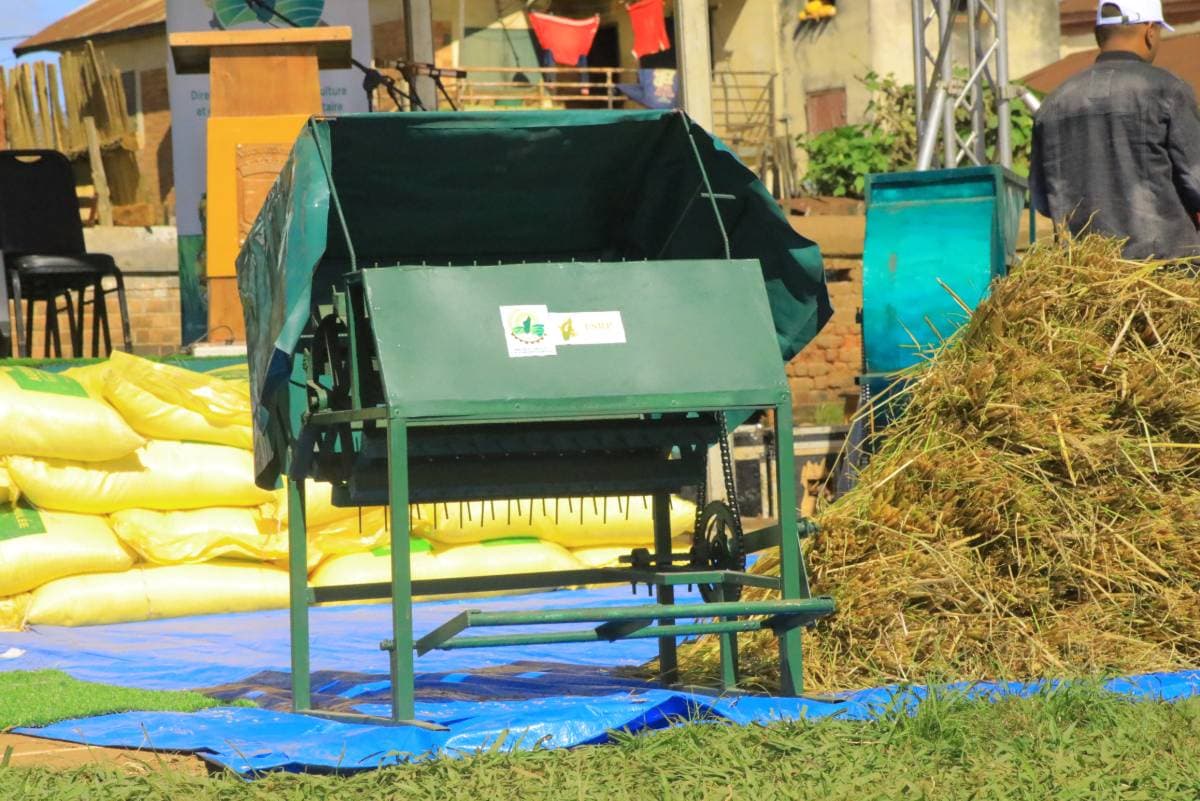
Le FSRP et le secteur privé signent un accord inédit.
Read the articleThe FSRP complies with the World Bank's Environmental and Social Standards and ensures transparency, inclusion and accountability.
Measures and practices put in place to preserve the environment and protect ecosystems affected by the project's interventions.
DiscoverThe FSRP adapts its interventions to local realities by systematically integrating gender and youth for inclusive implementation.
DiscoverA grievance management mechanism allows stakeholders to voice their concerns about the project's environmental and social performance.
File a complaintDecentralized structures in the intervention areas ensuring the project's operational implementation at local level.
Itasy, Analamanga, Vakinankaratra
Diana, SAVA
Boeny, Betsiboka, Melaky
Atsinanana, Analanjirofo, Anosy
Fitovinany, Atsimo Andrefana, Androy
The FSRP directly reaches 600,000 families through institutions, households and key economic actors.
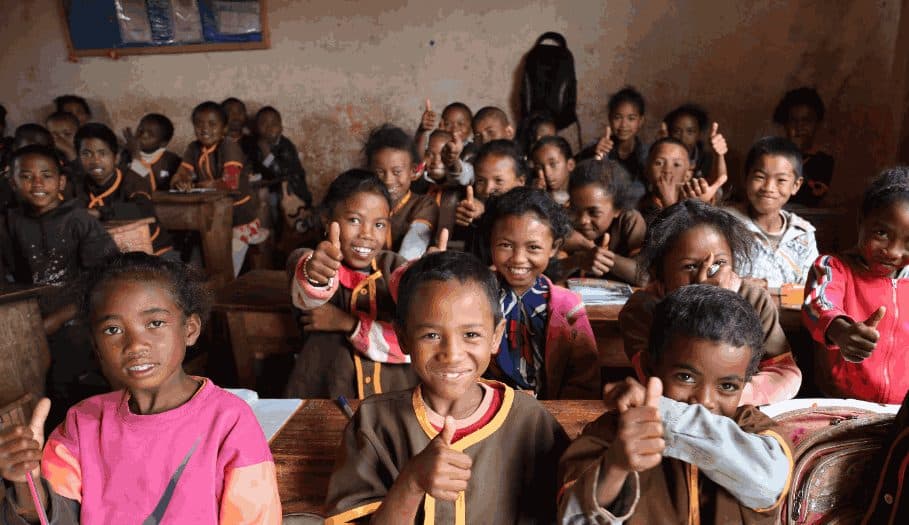
Improving the quality of and access to certified seeds for all producers.
With the support and collaboration of